
Small Nutrition Wins That Make Healthy Eating Simple and Sustainable

Healthy eating gets a lot easier when perfection stops being the goal. Most people do not need a full meal plan overhaul, a fridge full of unfamiliar ingredients, or strict food rules to feel better. They need a few simple habits they can repeat on busy weekdays, tired evenings, and weekends with real-life plans.
Nutrition is built through patterns. One meal will not make or break progress. A small improvement repeated often can do more than an intense plan that lasts five days.
This post is for general education only and is not a substitute for personal medical or nutrition advice.

Start with what you can add
A common mistake is starting with a long list of foods to cut out. That can feel discouraging fast. A more sustainable approach is to ask, “What can I add that helps me feel good?”
Try adding one helpful food to meals you already eat:
Add spinach, peppers, or mushrooms to eggs.
Add berries or sliced banana to oatmeal.
Add a side salad or frozen vegetables to dinner.
Add beans to soup, tacos, or rice bowls.
Add Greek yogurt, cottage cheese, or nuts to a snack.
This works because it does not require a perfect menu. It improves the meal you were already going to eat.
A helpful goal is to include protein, fiber, and color at more meals. Protein supports fullness. Fiber supports digestion and steady energy. Color often means more vitamins, minerals, and variety.
If breakfast is usually toast, keep the toast. Add peanut butter and fruit. If lunch is a sandwich, keep the sandwich. Add carrots, cucumbers, or an apple on the side.
Small additions count.
Make portions easier without measuring everything
Portion control does not have to mean weighing food or tracking every bite. Those tools can help some people, but they are not required for everyone.
A simple plate method can work well for many meals:
Half the plate
Non-starchy vegetables or fruit
One quarter of the plate
Protein such as chicken, fish, tofu, eggs, beans, or yogurt
One quarter of the plate
Carbs such as rice, potatoes, pasta, tortillas, oats, or bread
This is not a rule. It is a guide. Some meals will not fit neatly on a plate, and that is fine. Bowls, soups, wraps, and casseroles can still include the same basic pieces.
A few portion habits can also help:
Use a bowl or plate instead of eating from a bag or container.
Pause before getting seconds and check hunger first.
Serve snacks in a small dish.
Keep satisfying foods in the meal so portions feel easier to manage.
The goal is not restriction. The goal is enough food to feel satisfied without regularly eating past comfort.
Build meals from foods you actually like
Healthy eating works better when it includes foods you enjoy. If a plan depends on forcing down meals you dislike, it will be hard to keep going.
Start with familiar meals and make one upgrade.
Try these swaps and add-ons:
Taco night Add black beans, lettuce, salsa, avocado, or grilled peppers.
Pizza night Add a salad, fruit, or extra vegetables on top.
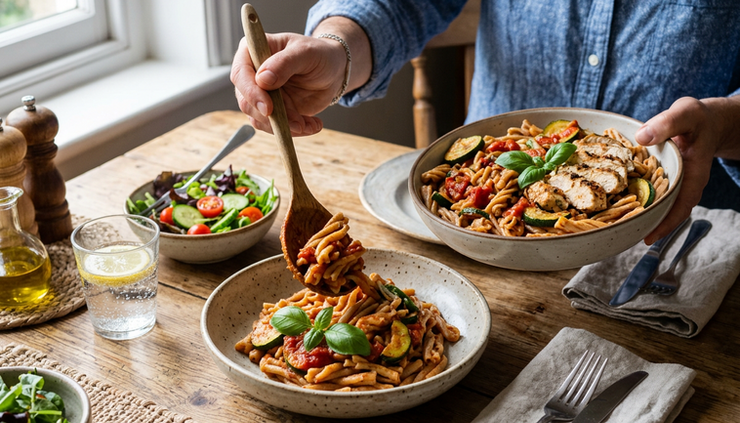
Pasta night Add lean protein and a vegetable, or switch to a chickpea or lentil pasta for extra protein and fiber.
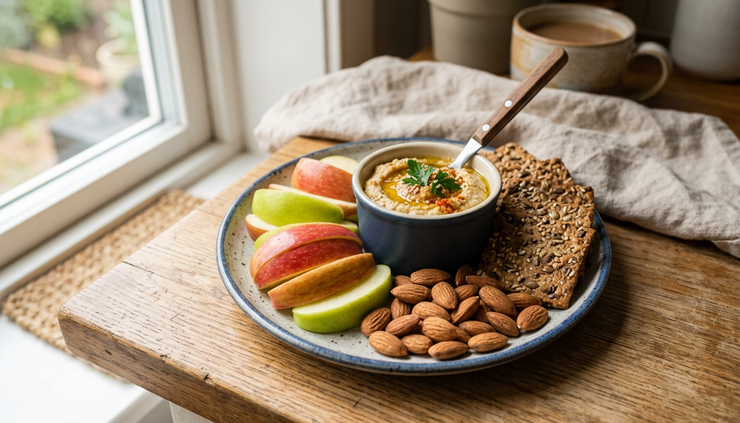
Snack time Pair carbs with protein or fat, such as apples with peanut butter, crackers with cheese, or pretzels with hummus.
Balanced nutrition includes flexibility. Cookies, chips, takeout, and birthday cake can fit into a healthy pattern. When food rules get too strict, eating can start to feel stressful. A sustainable approach leaves room for both nourishment and enjoyment.
Practice mindful eating in simple ways
Mindful eating does not mean eating in silence or chewing every bite a certain number of times. It means paying a little more attention.
Try one of these at your next meal:
Sit down when possible.
Take a breath before the first bite.
Notice the taste, texture, and temperature.
Check in halfway through the meal.
Stop when comfortably full, not stuffed.
This can be especially helpful with snacks. Before grabbing something, ask, “Am I hungry, tired, stressed, bored, or just needing a break?”
If the answer is hunger, eat. If the answer is stress or fatigue, food may still be part of the moment, but it may not be the only support needed. A short walk, water, a stretch, or a few minutes away from a screen can also help.
Mindfulness is not about judging yourself. It is about learning your patterns with curiosity.
Choose one small win at a time
Trying to change everything at once often leads to burnout. A better way is to pick one small habit and repeat it until it feels normal.
Good starting points include:
Drink water with lunch.
Add a fruit or vegetable to breakfast.
Plan one easy protein option for the week.
Pack one snack before leaving home.
Eat dinner without scrolling once or twice a week.
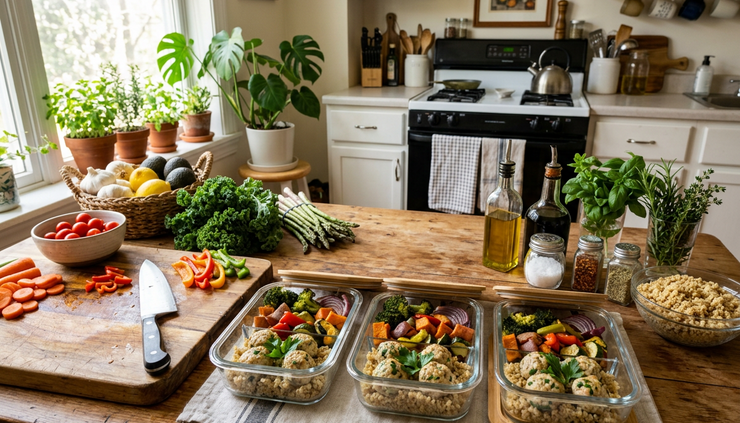
Cook one extra portion for lunch the next day.
Pick something realistic enough that you can do it on a busy day. That is where confidence grows.
If you want more personal support, nutrition coaching in st. louis park can help turn broad advice into a plan that fits your schedule, preferences, and goals. For many people, affordable nutrition coaching is less about strict plans and more about building practical habits that last.
FAQ
Do I have to give up my favorite foods to eat healthier?
No. A healthy diet can include favorite foods. The key is balance, portion awareness, and making sure your overall pattern includes enough protein, fiber, fruits, vegetables, and satisfying meals.
What is the easiest first change to make?
Add one fruit or vegetable to a meal you already eat. It is simple, low pressure, and helps build momentum without changing everything.
Is tracking calories required?
No. Some people find tracking helpful, but many people improve their nutrition with plate balance, portion awareness, meal planning, and mindful eating.
How long does it take for small changes to feel natural?
It varies, but habits usually feel easier with repetition. Start with one change for a couple of weeks before adding another.
What if I eat well during the week but struggle on weekends?
Plan for flexibility instead of aiming for perfection. Keep regular meals, include protein and fiber, and enjoy social meals without turning the whole weekend into an all-or-nothing cycle.
Keep the goal realistic
Healthy eating becomes simpler when it fits real life. Aim for meals that are a little more balanced, portions that feel a little more intentional, and choices that leave you feeling steady instead of restricted.
The next step does not need to be dramatic. Choose one small nutrition win for this week and practice it. If you would like support creating a realistic plan, you can book a nutrition coaching session.. Use code tywfit for a discount!
Progress built slowly is still progress, and it is often the kind that lasts.


Comments