
Mastering Balanced Meals: A Guide to Macronutrients and Portion Control for Optimal Health

Eating well is one of the most effective ways to boost energy and support long-term health. Yet, many people struggle with knowing how to build meals that truly nourish the body. Understanding the roles of macronutrients, micronutrients, and portion sizes can transform your approach to food. This guide breaks down the science behind balanced meals and offers practical tips to help you create plates that fuel your day and promote longevity.

Understanding Macronutrients and Their Roles
Macronutrients are the nutrients your body needs in large amounts to function properly. They include carbohydrates, proteins, and fats. Each plays a unique role in energy production and overall health.
Carbohydrates provide the primary source of energy. They break down into glucose, which fuels your brain and muscles. Choose complex carbs like whole grains, legumes, and vegetables for sustained energy.
Proteins support muscle repair, immune function, and hormone production. Sources include lean meats, fish, dairy, beans, and nuts.
Fats are essential for brain health, hormone balance, and absorbing fat-soluble vitamins. Focus on healthy fats such as avocados, olive oil, nuts, and fatty fish.
Balancing these macronutrients in your meals helps maintain steady energy levels and supports bodily functions.
The Importance of Micronutrients
Micronutrients include vitamins and minerals needed in smaller amounts but are crucial for health. They support immune function, bone health, and energy metabolism.
Vitamins like A, C, D, and the B-complex group play roles in vision, skin health, and converting food into energy.
Minerals such as calcium, magnesium, and iron help with bone strength, muscle function, and oxygen transport.
Eating a variety of colorful fruits, vegetables, nuts, and seeds ensures you get a broad spectrum of micronutrients. For example, spinach provides iron and magnesium, while citrus fruits offer vitamin C.
How to Control Portions for Balanced Meals
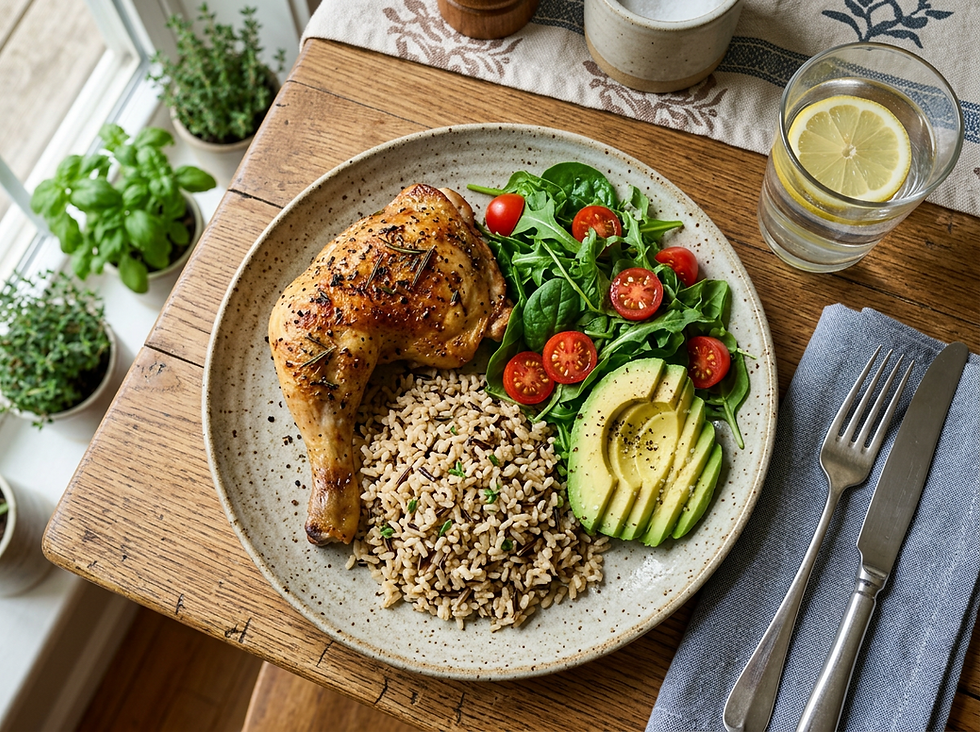
Portion control is key to avoiding overeating and ensuring your body gets the right amount of nutrients. Here are simple strategies to build balanced plates:
Fill half your plate with non-starchy vegetables like leafy greens, peppers, and broccoli. These are low in calories but high in fiber and micronutrients.
Allocate one-quarter of your plate to lean protein sources such as chicken, tofu, or fish.
Use the remaining quarter for whole grains or starchy vegetables like brown rice, quinoa, or sweet potatoes.
Add a small serving of healthy fats, such as a tablespoon of olive oil or a handful of nuts.
Using your hand as a guide can help estimate portions: a palm-sized portion of protein, a fist-sized portion of carbs, and two cupped hands of vegetables.
Practical Tips for Building Balanced Meals
Plan ahead: Prepare meals with a variety of food groups to avoid last-minute unhealthy choices.
Cook at home: This gives you control over ingredients and portion sizes.
Listen to your hunger cues: Eat when hungry and stop when satisfied, not stuffed.
Stay hydrated: Sometimes thirst is mistaken for hunger, so drink water regularly.
Experiment with flavors: Use herbs and spices to make meals enjoyable without extra calories.
Benefits of Balanced Meals for Energy and Longevity
Eating balanced meals supports consistent energy throughout the day, reducing the need for caffeine or sugary snacks. It also helps maintain a healthy weight, lowers the risk of chronic diseases like diabetes and heart disease, and promotes better sleep and mood.



Comments